Note: This blog is not meant to generalize or label every Indian as lacking civic sense. India is a vast country with diverse cultures and rich histories that shape people differently. Some points in this blog may offend certain readers. If you do not have an open mind, I suggest skipping this post and reading something that makes you happy or aligns with your beliefs.
Most Indians are kind, hardworking, and helpful people. Just like every other country, India also has its share of selfish, rude, or opportunistic individuals. However, there is one issue that I believe cuts across almost every section of Indian society. It does not matter whether someone is rich or poor, educated or uneducated, young or old. In my opinion, one thing that unites many Indians is the lack of civic sense.
I do not consider this a small problem. In fact, I believe it is one of the biggest obstacles preventing India from becoming the clean, disciplined, and developed nation it has the potential to be. In this blog, I want to share my perspective on this issue as someone who genuinely loves this country and wants to see it improve in every possible way.
Civic Sense problem with India.
1) People Litter Everywhere
A few years ago, I visited the Taj Mahal. Before entering, the security staff confiscated every food item we were carrying. At first, I wondered why they were being so strict. Once I entered the monument, I understood the reason. Even with those restrictions, I still saw gutka packets, chip wrappers, and other pieces of litter lying around. It wasn’t a huge amount, but it made me realize that if visitors were allowed to carry food freely, many would treat the monument like a public dustbin.
Unfortunately, this is not limited to the Taj Mahal. It happens across the country. People eat on roadsides and throw wrappers instead of carrying them until they find a dustbin. The same thing happens inside metro stations, parks, historical monuments, and tourist destinations. People go on trips, drink alcohol, eat food, and leave behind bottles, plastic wrappers, disposable plates, and even chicken bones. I have personally seen this happen in mountain areas near the Ganga, where people visit to enjoy nature but leave the place dirtier than they found it.
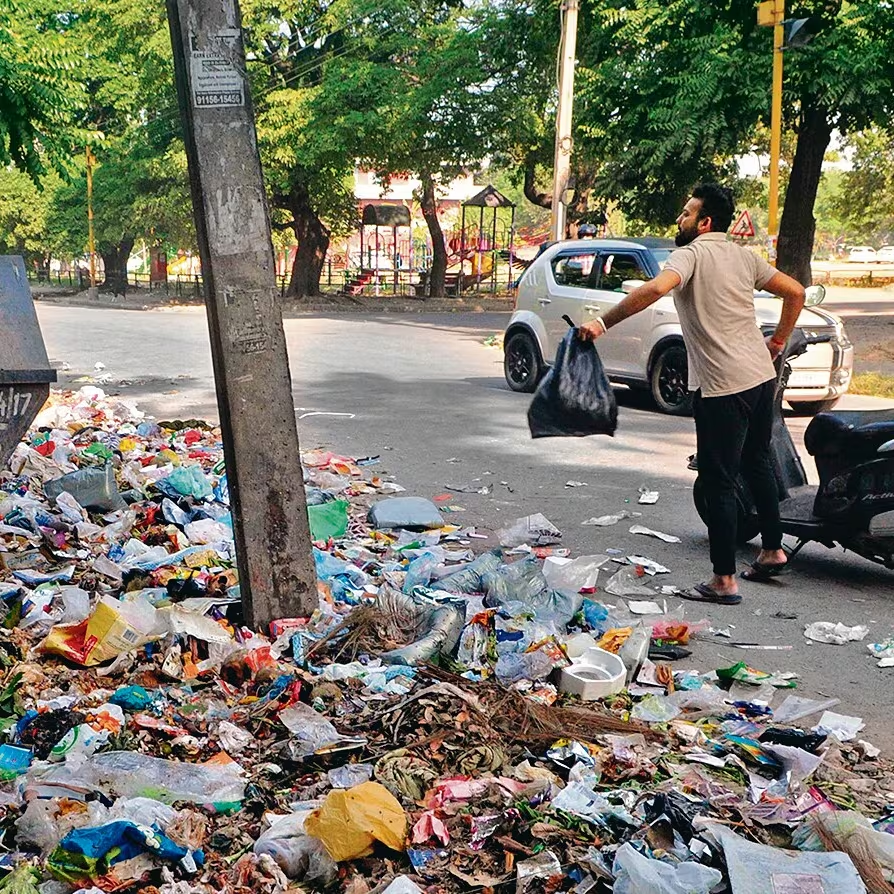
The problem is much bigger than many people realize. I have seen educated women throw bus tickets onto the road after getting off a bus. I have seen school and college girls casually throw ice cream wrappers on the roadside. In my own neighborhood, some people secretly dump household and office waste, ranging from leftover food to broken furniture, into empty alleys late at night because they know municipal workers will clean it the next morning. Even after bhandaras organized in the name of God, many people leave piles of garbage behind instead of disposing of it properly.
I also have to admit that I was once part of this problem. When I was younger, I threw wrappers on the road without thinking twice. Looking back, I sometimes wonder whether a younger sibling, cousin, or another child saw me doing the same and copied that behavior. Thankfully, once I reached college, I realized how irresponsible it was and stopped completely.
That is why I do not point fingers only at others. I believe almost everyone, including me at one point, has contributed to this problem in some way. The difference is that some people recognize the mistake and change, while many continue doing it without ever questioning whether it is right.
2) People Eat Everywhere
Indians love food, and I genuinely believe India has some of the best vegetarian cuisine in the world. That is something I am proud of. However, one habit that really bothers me is that many people eat anywhere and everywhere, even in places where eating is clearly prohibited.
I once saw a girl eating a paratha inside the Delhi Metro while the announcement reminding passengers not to eat was playing. She simply ignored it and continued eating. Food smells can be unpleasant, especially in enclosed public spaces where other passengers may not be hungry, may be feeling sick, or simply do not want to smell someone else’s meal.
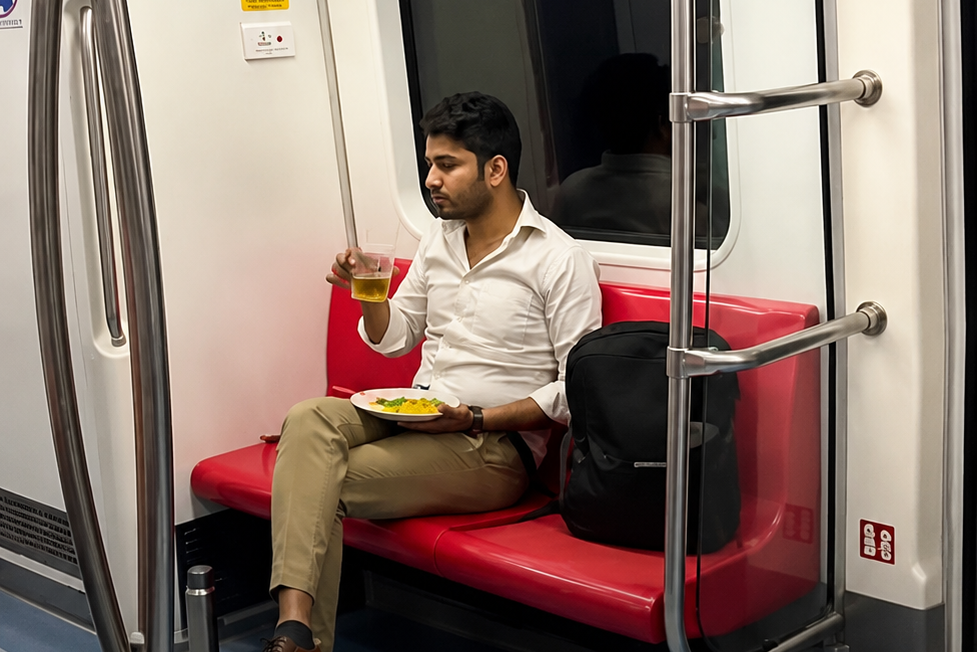
On another occasion, I saw a man eating groundnuts on a bus while casually throwing the shells out of the window. I have also seen people eating inside offices outside designated lunch hours, making shared workspaces uncomfortable for everyone around them.
To me, eating itself is not the issue. The problem is eating in places where it is not allowed or where it disturbs other people. In many cases, it also results in littering because people leave behind wrappers, tissues, food containers, or leftovers without caring who has to clean them.
More than anything else, I think this reflects a particular mindset. It is almost as if some people want to show that they do not care whether this is the right place or the right time. They will do whatever they want because they believe no one can stop them. Public spaces belong to everyone, and respecting those spaces also means respecting the people who share them.
3) People Do Not Follow Rules
If there is one thing I have consistently observed, it is that many Indians do not take rules seriously. Whether it is standing in a queue, following traffic laws, or respecting public guidelines, many people behave as though the rules apply to everyone except themselves. They often act as if they are the most important person in the situation, and everyone else should adjust for their convenience.
I remember standing in line at a metro station when a man tried to cut the queue. I stopped him, and he eventually joined the line. On another occasion, I politely asked a well-dressed man to stand in the queue instead of cutting ahead. Rather than admitting his mistake, he immediately became defensive, raised his voice, and tried to convince me that he had done nothing wrong. I quickly realized there was no point arguing further. Some people would rather justify their behavior than simply accept they were wrong.
Another incident has stayed with me because of how ironic it was. A woman cut the queue while entering the metro platform. When I asked her to join the line, she casually replied, “Okay, you can go first,” as though that somehow excused her behavior. Once inside the train, she immediately asked another passenger to move because she wanted to stand where he was standing. The man politely explained that he would be getting off after a few stations, so his position near the door made sense. Instead of understanding, she insisted that he move anyway. When he refused, she sarcastically remarked, “In India, no one has civic sense.”
I found that almost unbelievable. Just moments after breaking the queue herself, she was complaining about someone else’s civic sense. Unfortunately, this kind of hypocrisy is something I have seen quite often.
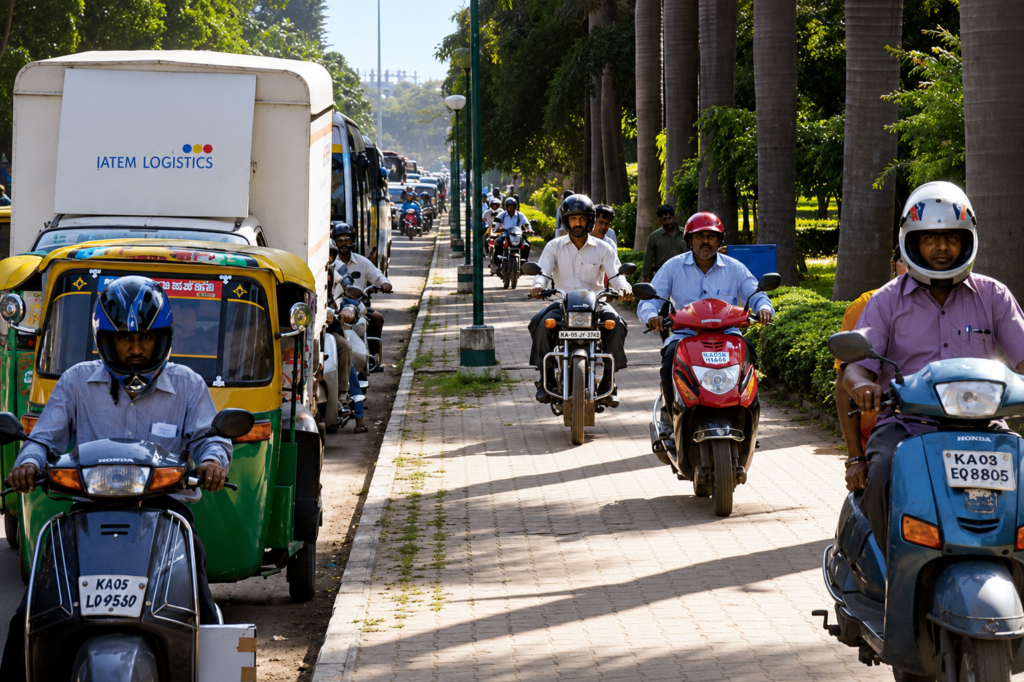
The same attitude extends beyond queues. One day, I was standing on the footpath waiting for the traffic signal to turn red so I could cross the road safely. Suddenly, a man riding a scooter started driving on the footpath and repeatedly honked at me because I was in his way. When I told him that the footpath was meant for pedestrians, he argued instead of admitting his mistake. Rather than wasting my time, I simply stepped aside and let him go.
In my opinion, this mindset explains many other problems as well. People jump queues, ignore traffic rules, offer bribes, break laws, and look for shortcuts simply because they believe rules are optional. On Indian roads especially, it often feels as though everyone is rushing to close the biggest business deal of their lives. They drive on the wrong side, cut across lanes, ignore red lights, and create chaos, all to save a few seconds.
Rules exist to make life easier for everyone, not harder. But when people believe their convenience is more important than everyone else’s, civic sense disappears, and public life becomes chaotic.
4) Urinating, Spitting, and Defecating in Public
One of the most unpleasant civic issues in India is the habit of urinating, spitting, and, in some places, defecating in public. While the country has improved significantly in sanitation over the years, this problem still exists in many areas and continues to make public spaces dirty, unhygienic, and unpleasant.
In my opinion, one reason this happens is that many people who migrate from villages or small towns to cities continue practicing habits that may have been common where they grew up. Instead of adapting to urban civic norms, some continue spitting, urinating, or relieving themselves in public places because that behavior has become normal to them.
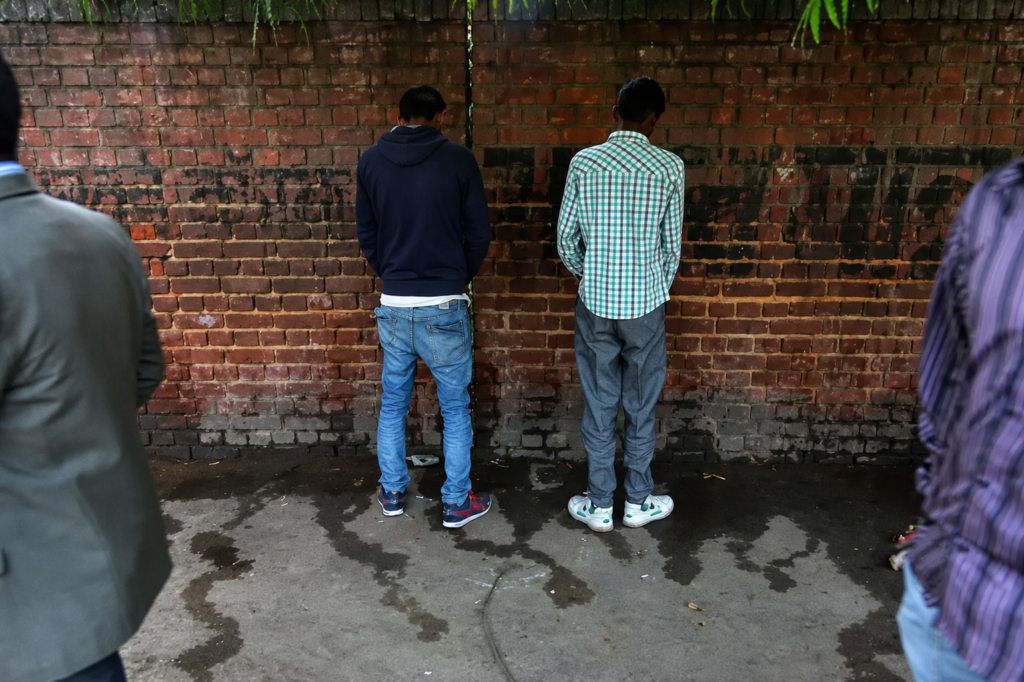
I have seen people spit paan or gutka on roads, walls, footpaths, and even inside temple premises. I have seen parents allow their young children to urinate in public instead of looking for a proper restroom. These incidents have become so common that many people barely notice them anymore.
One incident that particularly stayed with me happened at a metro station. I saw a woman urinating on the platform. Shocked, I immediately went to inform the security staff so they could stop her or take appropriate action. However, by the time I returned with the security guard, she had already left.
Spitting is another habit that has become deeply ingrained in many places. Walk through certain areas of Delhi, and you will notice walls, dividers, and roadside barriers stained red with gutka and paan. In some locations, it is difficult to find a single clean wall. It is both disgusting and disheartening to see.
I have also seen families living in slums take their children to the roadside for urination or defecation because the shared toilets in their settlements were occupied or unavailable. While the lack of proper sanitation explains why this happens in some cases, seeing such conditions in the capital of India is still deeply concerning. If this is the situation in Delhi, one naturally wonders what conditions are like in many other densely populated cities across the country.
The problem becomes even worse during the rainy season. Rain mixes with spit, urine, and other waste lying on the roads, creating an unbearable smell that many people simply ignore because they have become used to it. I know exactly where that smell comes from, and every time I experience it, I cannot help but think that we deserve much cleaner public spaces than this.
5) Road Rage and Unnecessary Violence
Another civic issue that deeply concerns me is road rage and the tendency to become violent over the smallest disagreements.
I believe many people carry stress from different aspects of their lives. Some are unhappy with their jobs, some struggle with financial problems, some have conflicts within their families, and others grow up in environments where aggression is considered normal. Instead of dealing with these frustrations in healthy ways, they carry that anger everywhere they go.
As a result, even a minor incident, such as a scratched vehicle, a parking dispute, or someone accidentally bumping into them, can quickly turn into shouting, physical fights, or even murder. Rather than behaving like civilized people and resolving disagreements calmly, some immediately choose violence.
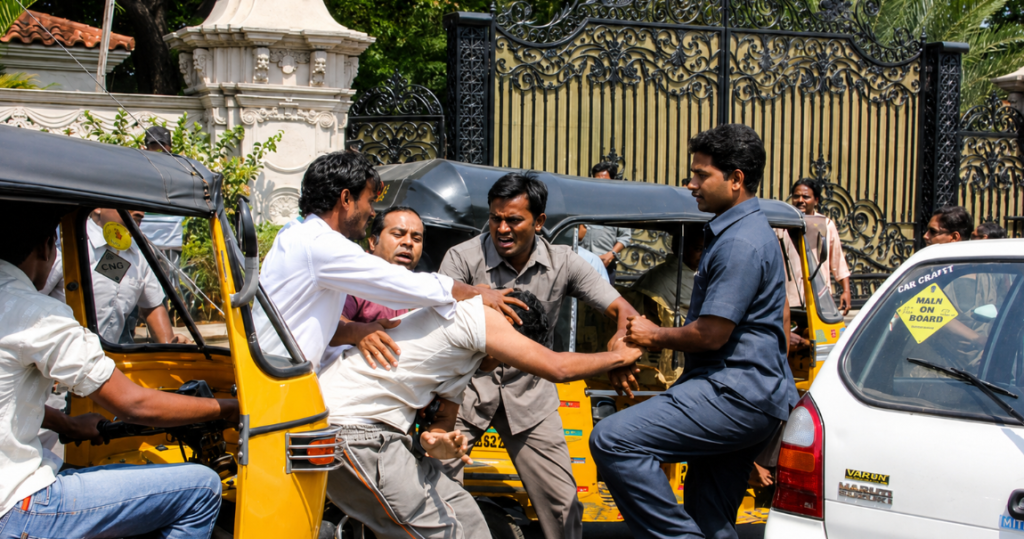
What makes this even worse is that such people often target those they perceive as weaker. If the other person appears physically smaller, quieter, or less likely to fight back, the chances of aggression increase significantly.
We regularly hear about tragic incidents where a simple parking dispute or a minor road accident ends with someone being seriously injured or even killed. These are situations that should have been resolved with a conversation or an apology but instead escalated because people failed to control their anger.
A civilized society is not one where disagreements never happen. Disagreements are a part of life. A civilized society is one where people know how to handle those disagreements without immediately resorting to threats or violence. Unfortunately, I believe we still have a long way to go in that regard.
6) “Chapri” Behavior and the Normalization of Poor Conduct
Another problem I have noticed in recent years is the growing popularity of what many people call chapri behavior. By this, I mean rude, vulgar, attention-seeking, and uncivil behavior that is increasingly being normalized, especially among young people.
Recently, a video went viral showing a group of young girls abusing another girl inside the Delhi Metro. This was not just an isolated incident. Similar videos keep appearing on social media, where people insult strangers, create public nuisance, or behave aggressively simply because they know it will get them views and attention online.
Unfortunately, some influencers are also contributing to this problem. Instead of promoting good values or responsible behavior, they popularize memes and catchphrases that are vulgar, disrespectful, or meant to humiliate others. Young children, especially school students, copy these trends without understanding what they actually mean.

For example, memes like “Main Kya Ladle, Meow, Ghop Ghop Ghop” have become extremely popular among children. Another vulgar meme that has spread widely is “Kis Colour Ki Chaddi Pahne Ho?” While many people treat it as harmless comedy, I personally do not. I have seen boys in shopping malls shouting this at girls they had never met before, treating it like a dare or a joke among friends. What they considered entertainment was nothing more than public harassment.
The problem goes beyond viral memes. During arguments, or even while joking, many people casually mock others based on their skin colour, body weight, height, facial features, or ethnicity by calling them names such as kala, mota, chinki, or bauna. These words may seem like harmless jokes to some people, but they normalize disrespect and encourage people to insult others instead of treating them with basic decency.
In my opinion, social media has amplified this problem. When rude, vulgar, and attention-seeking behavior is rewarded with millions of views, likes, and followers, many young people begin believing that this is how they should behave in public. Instead of celebrating good manners and maturity, we are increasingly rewarding those who create chaos for entertainment.
7) No Respect for Public Property or Other People’s Rights
Another major civic issue is the complete lack of respect that many people have for public property and shared spaces. Some behave as though public infrastructure belongs to no one, while others act as if it belongs only to them.
This attitude can be seen in many different ways. People steal newly installed construction materials, damage public property, vandalize walls, or destroy government infrastructure simply because they think there will be no consequences. I have read reports of people stealing bolts and metal fittings from newly constructed flyovers, while in other places people steal cement, bricks, or construction material from roads and footpaths to use in their own homes.
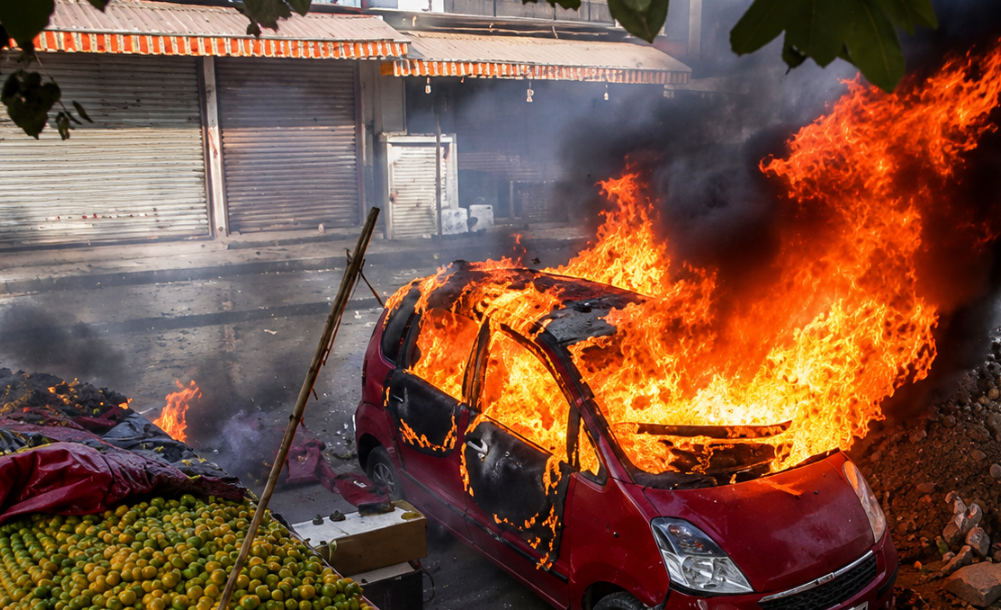
During President Trump’s visit to India, Islamists, communists, and the AAP Indian political party orchestrated anti-Hindu violence in parts of Delhi, resulting in the deaths of Hindus and the destruction of their properties.
I have also seen public spaces being occupied or blocked without much concern for the inconvenience caused to others. After large gatherings or protests, many places are left covered in garbage, plastic waste, food containers, banners, and other debris. Once the event is over, people simply leave, expecting someone else to clean up the mess.
The problem is not limited to public property. It also reflects how little consideration some people have for others. For example, many people smoke in public places without caring that children, elderly people, or those with respiratory problems are forced to inhale the smoke. Others play loud music in residential areas late at night, park wherever they like, or block roads without considering how their actions affect everyone else.
A society cannot function properly if people only think about their own convenience. Public spaces belong to every citizen, and respecting them is just as important as keeping our own homes clean. Civic sense is not only about following rules; it is also about recognizing that our actions affect people we may never even meet.
8) A Short-Sighted Approach to Traditions
India is one of the most spiritual countries in the world, and I am proud of that. However, I also believe that being spiritual and being environmentally responsible should go hand in hand. Unfortunately, in some cases, people focus so much on performing rituals that they completely ignore their impact on society and the environment.
For example, during festivals such as Chhath Puja, many offerings including cloth, coconuts, flowers, sweets, plastic items, and other materials are thrown into rivers and water bodies that are already polluted. The intention may be religious, but the result is often increased pollution.
Similarly, I fully support celebrating Diwali and bursting firecrackers. I am not against the festival or the tradition itself. However, I believe it should be done responsibly. Some people buy an excessive number of firecrackers and burst them continuously for hours. Instead of celebrating with the community, they create unnecessary noise and air pollution that affects children, elderly people, pets, and people with health problems.

I also believe that every community should reflect on whether some of its practices unnecessarily harm the environment or inconvenience the public. Traditions deserve respect, but respect for traditions should not come at the cost of cleanliness, public health, or civic responsibility.
The same principle applies beyond festivals. Whether it is throwing offerings into rivers, leaving waste behind after religious gatherings, or occupying public spaces without considering others, devotion should never become an excuse for irresponsible civic behavior.
Our traditions have survived for centuries because they adapted to changing times. I believe they can continue to evolve in ways that preserve both our cultural identity and our responsibility towards society and nature.
Why Does India Have This Civic Sense Problem?
After discussing the problems, the obvious question is: Why does India have such a widespread civic sense problem?
There is no single answer, and I do not claim that my opinion is the only correct one. These are simply the reasons I believe have contributed to this issue based on my observations, experiences, and understanding of Indian society.
1) Lack of Trust
In my opinion, one of the biggest reasons behind India’s civic sense problem is the lack of trust people have in one another.
I believe this partly stems from India’s long and turbulent history. For centuries, the country experienced repeated invasions, foreign rule, and later colonialism. During such periods, survival often depended on protecting yourself and your family above everything else. Trusting the wrong person could have serious consequences, so people naturally became more cautious and self-centered.
I also believe that many social attitudes formed during those difficult periods did not disappear overnight after Independence. When people spend generations learning to prioritize only their own family’s survival, that mindset can continue even when circumstances change.
As a result, many people think about themselves and their families first, while the wider community comes much later. They may keep their own homes spotless but think nothing of throwing garbage outside because, in their minds, it is someone else’s responsibility.
A society becomes strong when people trust one another enough to think beyond their own homes and families. Unfortunately, I believe India still struggles with building that collective mindset, and it shows in our civic behavior.
2) A Large Population
Another major reason, in my opinion, is India’s enormous population.
When a country’s population is relatively small, it is much easier to enforce laws and punish people who repeatedly break the rules. Over time, strict enforcement creates a culture where people naturally begin respecting public spaces and following civic norms.
India, however, is home to more than a billion people. If millions of people commit small civic violations every single day, whether it is littering, jumping queues, spitting, breaking traffic rules, or damaging public property, enforcing every rule consistently becomes an enormous challenge.
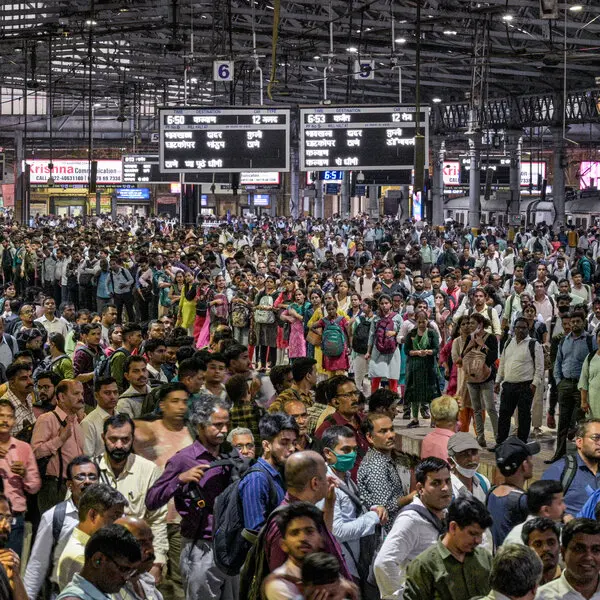
In my opinion, the scale of the problem makes it much harder to change people’s behavior. When bad habits become common, they begin to feel normal. Children grow up watching adults litter, spit, ignore queues, or break traffic rules, and they eventually copy the same behavior because they believe that is simply how society functions.
If only a small percentage of people behaved this way, correcting the problem would be much easier. But when a significant portion of society is involved in one civic violation or another, changing that culture becomes far more difficult.
3) Democracy and Vote-Bank Politics
In my opinion, this is one of the biggest reasons India struggles to improve civic discipline.
The strength of democracy is that governments are chosen by the people. However, democracy also creates a challenge. Politicians ultimately depend on votes, and when large sections of society engage in poor civic behavior, taking strict action against them can become politically risky.
Governments know that enforcing laws more strictly may upset certain groups of people. Whether it is removing illegal encroachments, penalizing repeated civic violations, or taking action against disruptive public behavior, such decisions often invite protests and political backlash. As a result, many leaders choose the politically safer option instead of the stricter one.
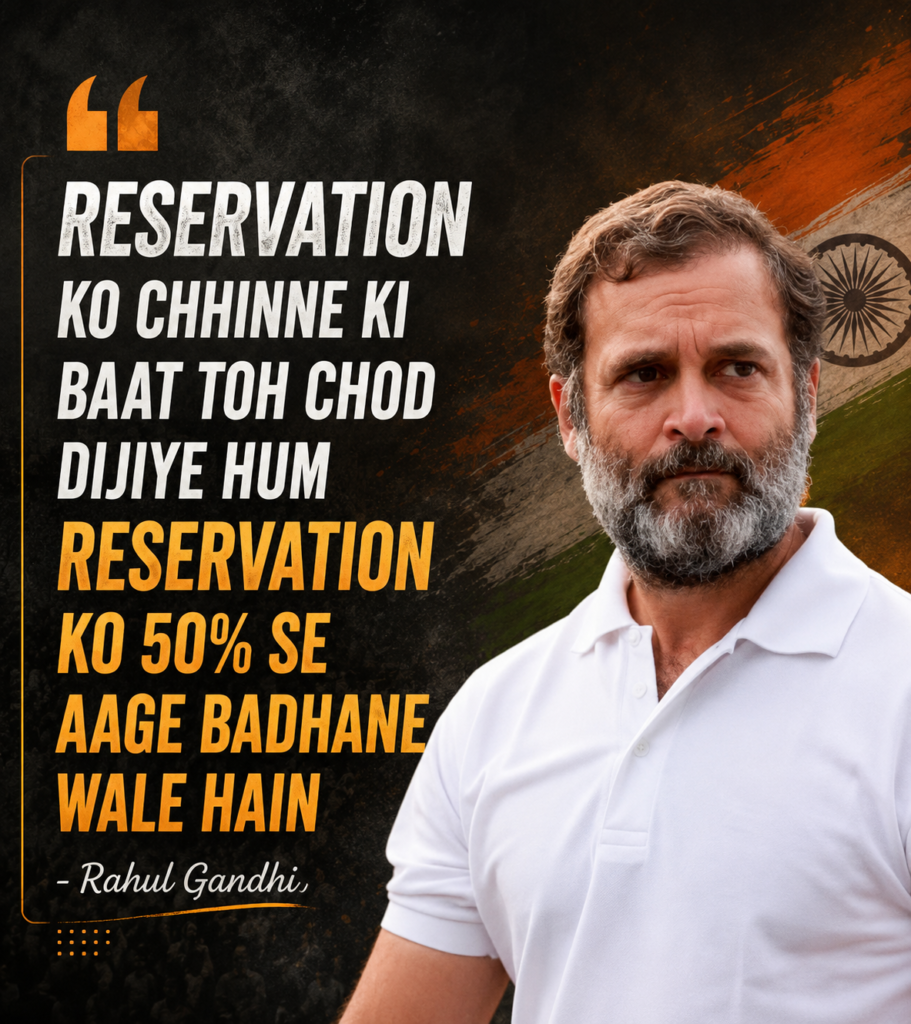
In my opinion, this creates a cycle where bad behavior is tolerated because correcting it could cost votes in the next election.
I often compare this to raising a spoiled child. If a father tells the child to stop doing something wrong, the child runs to the mother. If the mother also refuses, the child runs to the grandparents. Eventually, someone gives in, and the child learns that rules can always be avoided. I believe something similar happens in politics. Whenever one authority tries to enforce discipline, another political group may oppose it for electoral gain, making consistent enforcement much more difficult.
When people realize that rules are rarely enforced consistently, many begin believing they can break them without facing any real consequences. Over time, this weakens civic discipline across society..
4) No Strict Laws and Punishments
Another reason I believe India struggles with civic sense is the lack of strict and consistent enforcement of laws.
In India, there is often a tendency to view people who break rules through the lens of sympathy rather than responsibility. Many assume that if someone is poor, they must also be humble, honest, or simply a victim of circumstances. While poverty certainly creates hardships and deserves compassion, it should not become an excuse for ignoring civic responsibilities or breaking the law.
I have noticed that whenever authorities try to enforce rules strictly, the focus often shifts away from the offence and towards the personal circumstances of the offender. For example, I remember seeing news reports where a man was fined for overspeeding, driving on the wrong side, and violating multiple traffic rules while taking his wife to the hospital. Instead of discussing why those rules existed or how dangerous his actions were, the entire debate became about the size of the fine and his financial condition.
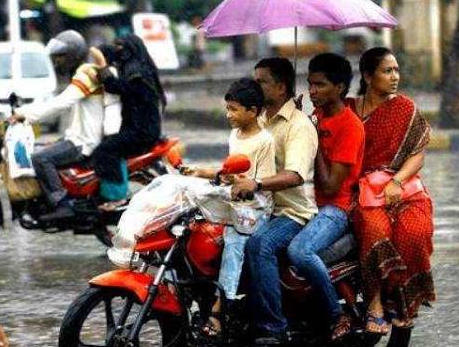
The man explained that he earned only ₹18,000 a month, had four family members to support, and had bought his second-hand motorcycle for ₹35,000. The media highlighted his emotional story, and soon there was public sympathy. Eventually, pressure built on the authorities, and the fine was reportedly reduced or withdrawn.
While I understand why people felt sympathy for him, I also believe this sends the wrong message. If laws are enforced one day and relaxed the next because a case becomes emotional or gains media attention, people begin believing that rules are negotiable rather than universal.
Compassion and law enforcement should not be treated as opposites. A society can show empathy while still ensuring that rules are applied fairly and consistently. In my opinion, unless people know that breaking civic rules will have real consequences regardless of who they are, these habits will continue.
5) Not Enough Love for the Country and the Community
Another reason I believe this problem exists is that many people love their homes far more than they love the country or the communities they live in.
Think about how most people treat their own homes. They sweep and mop them every day, hire cleaners if they can afford to, buy vacuum cleaners, repaint the walls, and make every effort to keep them clean and comfortable. Yet, some of these same people step outside and throw garbage on the road without a second thought.
Why does this happen? In my opinion, it is because many people do not see public spaces as their own. Since the road, park, railway station, or footpath is shared with everyone else, they feel little responsibility towards it. They believe someone else will eventually clean it, so why should they care?
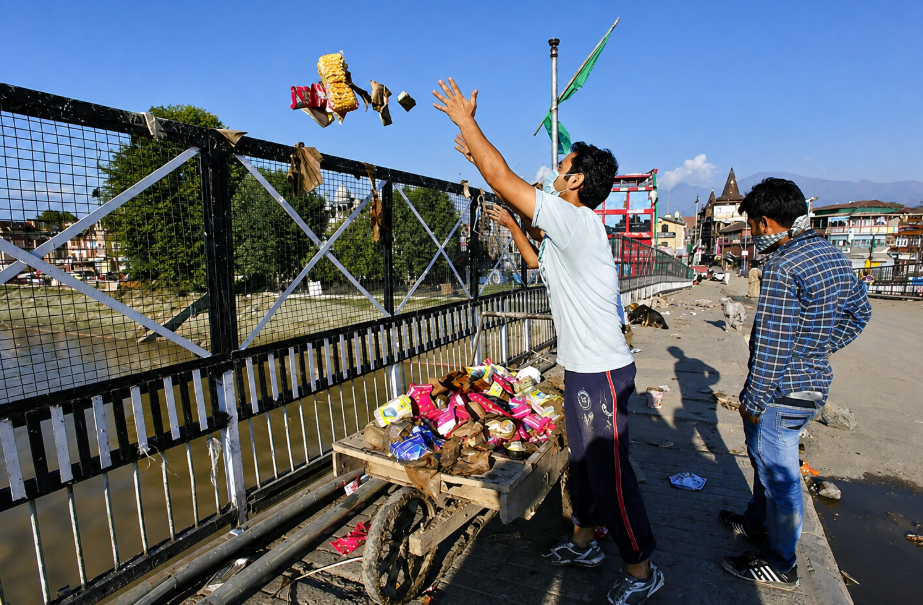
People often say they love India, but I believe love for a country should be visible through actions, not just words. If we truly love our nation, we should care about its streets, rivers, parks, monuments, and public spaces just as much as we care about our own homes.
This is also why I find it difficult to take seriously those who claim to love the country while leaving public places dirty after protests, rallies, religious gatherings, or other large events. Loving a country means taking responsibility for it, not expecting someone else to clean up after us.
For me, patriotism is not limited to waving the national flag or singing the national anthem. It is also about refusing to litter, respecting public property, following rules, and thinking about how our actions affect millions of fellow citizens.
6) Superstitions and Outdated Practices
India has a rich spiritual and cultural heritage, and I deeply respect that. Traditions often carry the wisdom of previous generations and help preserve our identity. However, I also believe that not every tradition should continue unchanged forever.
Many traditions were created for a particular time and a particular purpose. Society changes, technology changes, and our understanding of the environment also changes. As a result, some practices that may have made sense centuries ago can become harmful if they continue without adapting to modern realities.
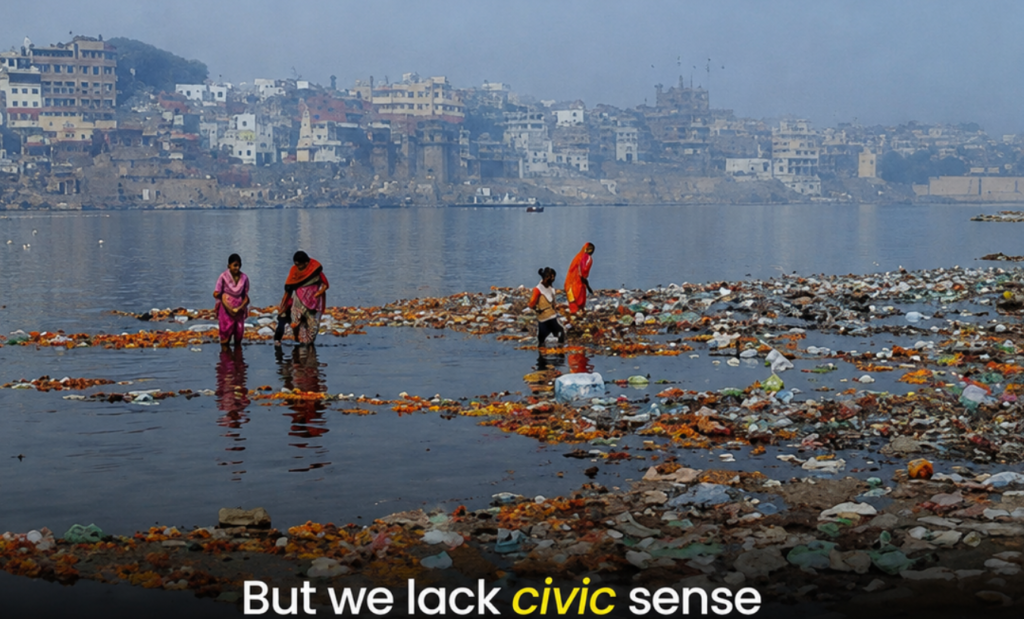
For example, immersing idols or throwing cloth, flowers, coconuts, plastic items, or other offerings into rivers may be intended as an act of devotion, but today these practices often contribute to pollution rather than protecting nature. Similarly, many people throw non-biodegradable materials into the Ganga believing it to be an act of faith, while the end result is simply more pollution.
In my opinion, devotion should never become a reason to damage the very rivers that many people consider sacred.
Traditions survive because they evolve. Respecting our culture does not mean refusing to improve our practices. If a custom harms the environment or creates problems for society today, I believe we should find better ways to preserve its spirit without preserving its harmful effects.
True spirituality should encourage responsibility towards nature, society, and future generations, not just the repetition of rituals.
Conclusion
I did not write this blog because I hate India. I wrote it because I love India. For me, loving a country does not mean pretending that it has no flaws. It means acknowledging those flaws honestly and wanting to fix them. Ignoring problems has never solved anything. Every developed nation has improved because its people were willing to recognize what was wrong and work towards making it better.
I genuinely believe India has the potential to become one of the greatest countries in the world. We have a rich civilization, talented people, a strong culture, and immense opportunities. However, becoming a developed nation requires more than economic growth, better infrastructure, or technological advancement. It also requires disciplined citizens who respect public spaces, follow rules, and think beyond their own convenience.
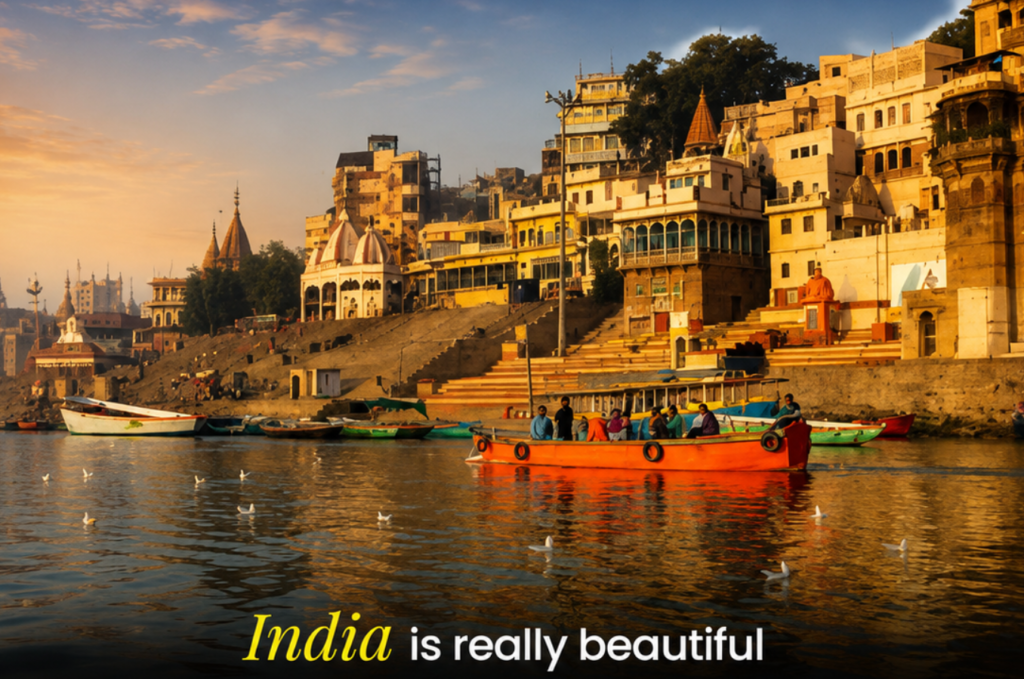
Governments can build roads, install dustbins, make stricter laws, and increase penalties, but no government can force people to develop civic sense. That change has to come from within society. It begins with ordinary people choosing not to litter, standing patiently in queues, respecting public property, driving responsibly, and treating shared spaces as if they were part of their own homes.
None of us, including me, is perfect. I have made mistakes in the past, and I admitted one of them earlier in this blog. The important thing is whether we are willing to recognize those mistakes and improve ourselves.
If each of us takes responsibility for our own behavior instead of waiting for others to change first, India will change too. Real nation-building does not begin in Parliament or government offices. It begins with the everyday actions of ordinary citizens. That, in my opinion, is where true civic sense begins.