There’s a famous saying, “There’s no such thing as a free lunch.” It means whenever something is given for free, there’s usually a hidden cost or motive behind it. Most of the time, this motive is monetary or political in nature.
Take a simple example: a guy pays for dinner on a date. He doesn’t always do it out of kindness. Often, it’s a signal, “I have money, I can take care of you.” That signal has a purpose: to impress. The same logic applies when governments or companies offer freebies or discounts.
When the government gives free bus rides to women in Delhi, the intent may look noble. But in reality, it’s often a political move: “We care about you, we’re saving your money, now vote for us.” And guess what? It works. Why? Because most voters don’t see the long-term consequences of such policies.
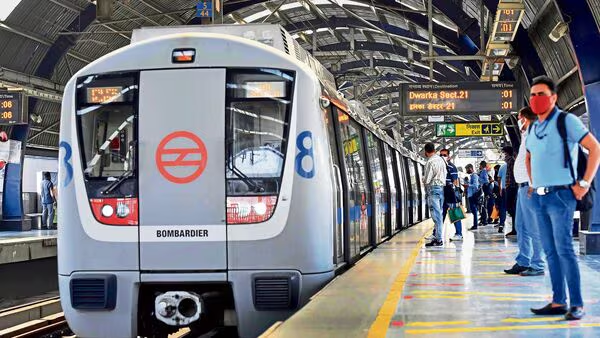
Another example: Uber giving discounts on metro tickets to create a seamless travel experience. But here’s the real play, with their ‘Loss Leader Pricing’ they want to attract metro users who rarely use Uber App, gain access to their commute and personal data, optimize services using that data, increase sales and user engagement, and improve investor confidence. Their stock price benefits, and they may even land a better partnership with Delhi Metro. Again, the discount isn’t free. It’s a calculated investment with returns. And eventually, someone pays the price, often the public.
When a product is free or heavily discounted, you’re not the customer, you’re the one being sold. Your data, your habits, and your attention are what companies profit from.
Let’s explore how these freebies and discounts are damaging India, socially, economically, and structurally.
1. They Create Social and Political Division
Whenever politics enters the picture, there are two camps: one for and one against. No matter who’s right, both sides are painted as wrong by their opposition.
Take the free DTC bus rides for women again. Supporters see it as “women empowerment.” Critics see the larger picture, an overburdened, underfunded bus system, delayed salaries of drivers, overcrowded buses, and aging vehicles that aren’t being replaced due to lack of funds.
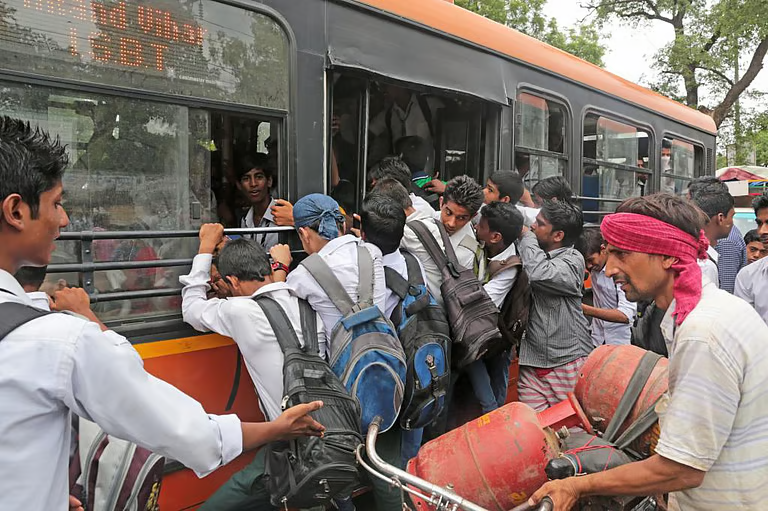
This division becomes dangerous when the party giving such benefits is involved in scandals, like liquor scams or questionable foreign funding. The “freebie” becomes a tool for voter loyalty, even if it’s breaking the backbone of public infrastructure. Daily commuters, including the very women using the buses, suffer in overcrowded and poorly maintained vehicles.
What started as a vote bank strategy ends up worsening public services and creating chaos and resentment among citizens.
2. They Corrupt Consumer Behaviour
Free stuff and heavy discounts distort how people evaluate products and services. Customers begin expecting everything to come with a discount or offer. They focus only on two things: the brand name and how much the price is reduced.
As a result, some companies fake their MRP prices to show inflated discounts. Others burn investor money to offer deep discounts (a loss-leader strategy), not to improve products but just to attract customers.

People often buy things they don’t need or won’t use, simply because they see “30% off” on their mobile screen. This triggers a psychological scarcity effect, making them click a few buttons and buy items they later regret.
In the long run, this means companies that play the pricing game survive, while those with genuine innovation, quality, and vision suffer. Good businesses die because consumers stop valuing real quality and start chasing deals.
3. They Lead to Poor Quality and Reduced Quantity
No business wants to sell at a loss. Behind the scenes, even the most generous-sounding deal is backed by strategy. Established businesses without VC funding must still break even. So how do they do it?
They cut corners, in product quality, quantity, or packaging. Ever noticed smaller packs or thinner packaging during sales? That’s not a coincidence. It’s called shrinkflation, where the price stays the same but the quantity quietly reduces.
If not that, the product quality is compromised to meet price expectations. Eventually, everyone gets used to lower quality products, and that becomes the new standard.
4. They Kill Export Potential and Hurt Development
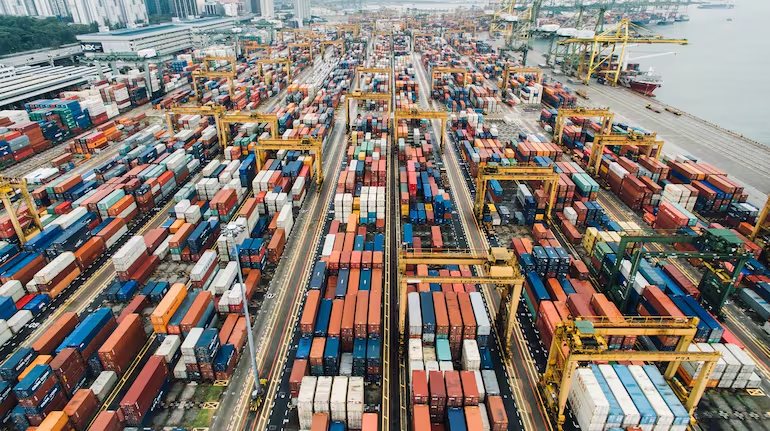
Products made just to offer discounts or freebies aren’t export-worthy. No foreign buyer is going to buy poorly made goods sold at unrealistic prices.
Meanwhile, genuine Indian brands that could have scaled up and gone global are pushed out of the market because they can’t compete with this artificially cheap ecosystem.
Even worse, governments use taxpayer money to fund these free schemes to win votes. Once one party does it, the others are forced to follow, or risk losing elections. That’s how democracy weakens, when votes are bought through giveaways, not policies.
This also drains public resources. There’s less money for critical infrastructure, poor people, education, and healthcare. Investments drop. Growth slows down. The economy suffers.
5. They Affects Work Ethic and Self-Reliance
When people get used to free things and heavy discounts, it starts changing their mindset, especially in the lower-middle and middle class. Over time, many begin to lose the hunger to work hard, earn more, or build something meaningful. If a young adult sees that electricity is free, bus rides are free, alcohol is free, free laptops and houses are being handed out, and cheap ration is always available, then why should they take risks, study harder, or work overtime? All they have to do is vote once every five years, and the cycle continues.
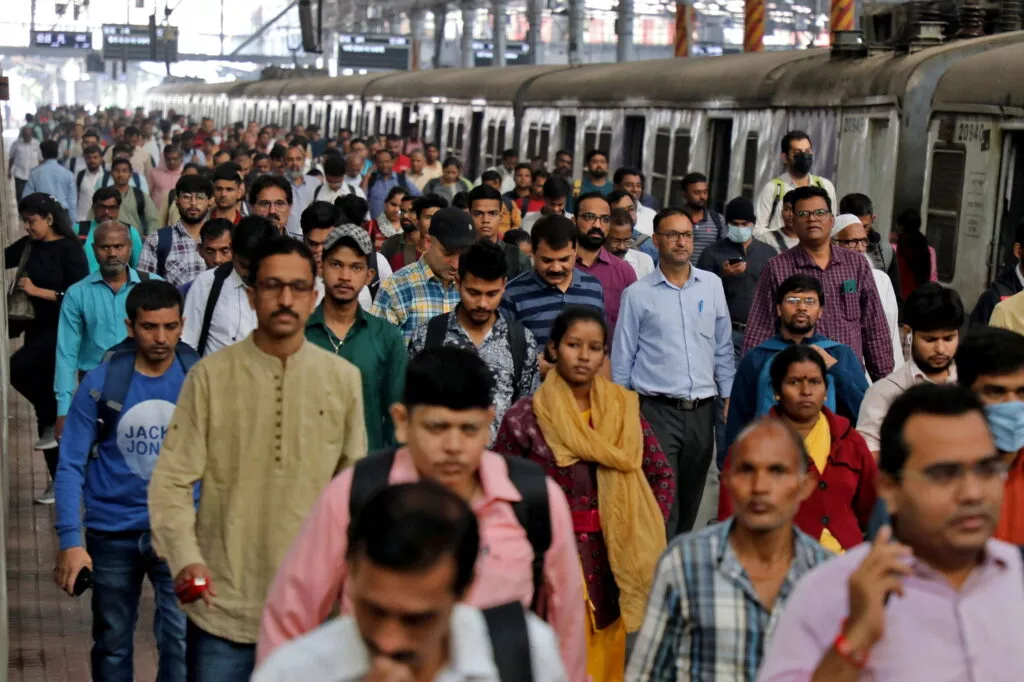
This kind of thinking slowly kills self-reliance and ambition. It creates a population that starts expecting everything to be served on a plate without effort. Not just the poor, even the middle class starts thinking, “Why should I pay when others are getting the same thing for free?”
In the long run, this mindset is dangerous for any developing country like India. We are a country that should grow through hard work, education, innovation, and entrepreneurship, not through free handouts. But when freebies become the shortcut to happiness, people stop striving for real success and instead wait for the next free scheme to drop. That’s not empowerment. That’s mental slavery.
Not All Freebies or Help Are Bad
Let’s be clear, just like a person is never entirely good or entirely bad, they’re a mix of both. Similarly, not everything about freebies and discounts is bad. There are some positive sides too, especially when we look at the bigger picture for India. However, these few benefits do not outweigh the many negatives that freebies and heavy discounts often bring. Still, it’s important to acknowledge some cases where they have genuinely helped the country.
1. Positive Change in Consumer Behavior
Discounts, cashbacks, and promotional offers on UPI and online shopping platforms have played a big role in driving India’s digital payment revolution. These incentives encouraged people, especially in Tier 2 and Tier 3 cities, to move away from cash and start using mobile payments for everyday transactions.
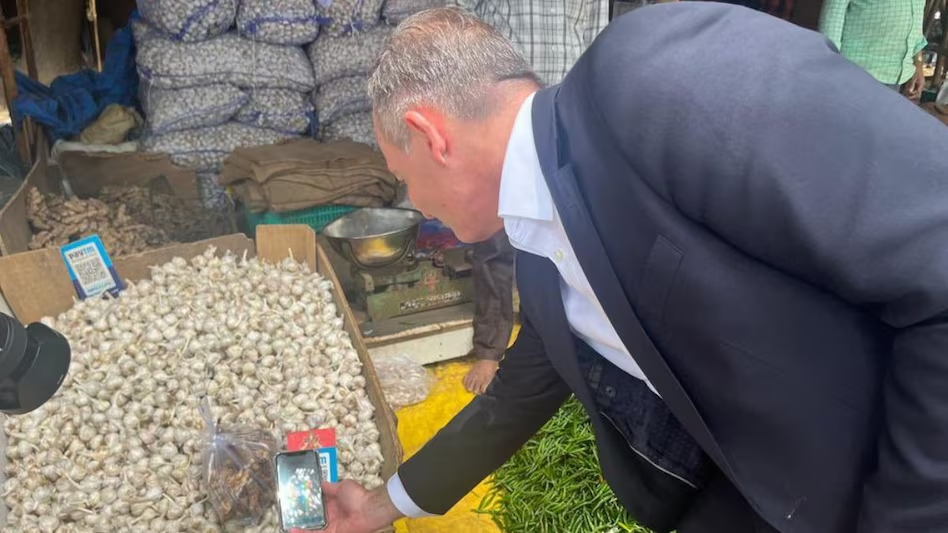
Because of this, India has become one of the global leaders in digital payments. What started as small rewards and discounts eventually created a massive shift in consumer behavior, helping build a strong digital economy.
2. Welfare with Purpose
Some government freebies are actually well-planned and serve a meaningful purpose. A good example is the Ujjwala Yojana, under which the Government of India provided free gas stoves and subsidized LPG cylinders to rural households. The goal was to help women move away from traditional wood-burning stoves, which produce harmful smoke and badly affect their eye and lung health.
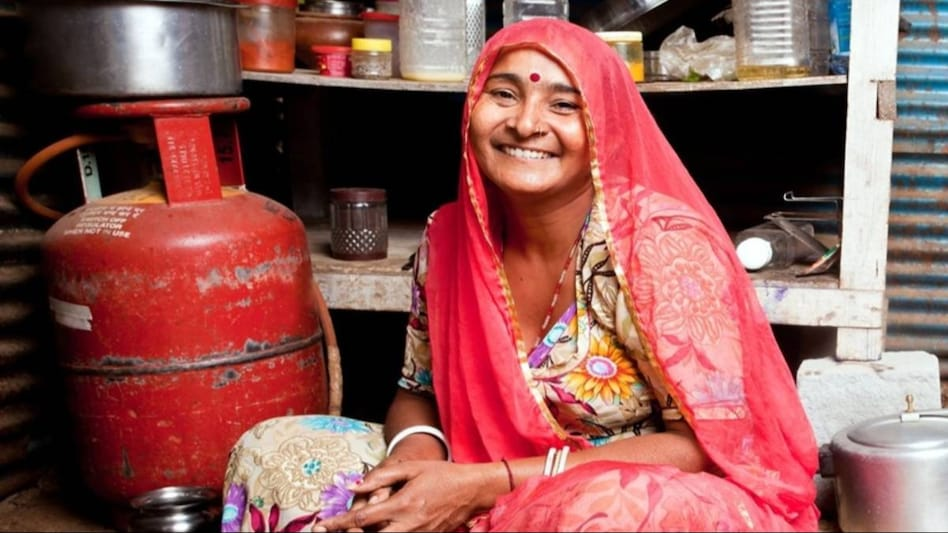
This scheme directly improved the health, safety, and quality of life for millions of women, especially in rural areas. It’s an example of how welfare, when designed with a clear and genuine purpose, can bring real positive change in society.
3. Industry Disruption For Good
The entry of Jio completely changed India’s telecom landscape. By offering free SIM cards, unlimited calls, and free internet in the beginning, Jio disrupted a market that was earlier dominated by a few big players charging high prices. This aggressive move forced all other telecom companies to reduce their rates, improve their services, and become more competitive.
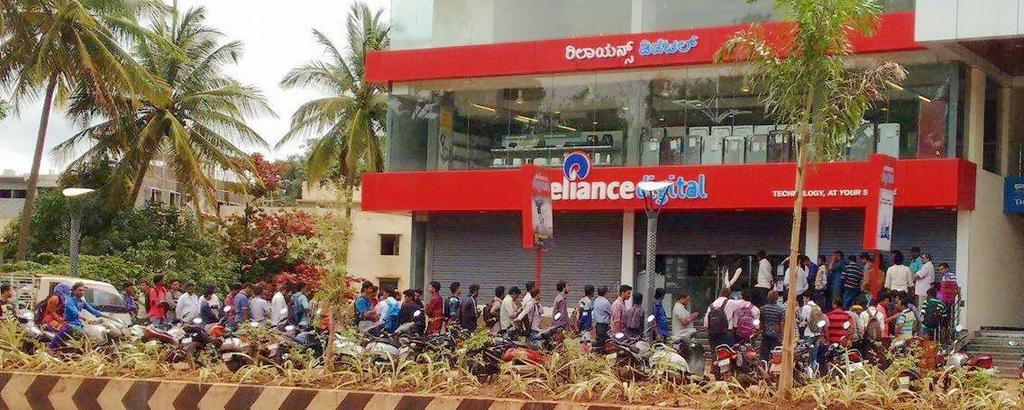
As a result, consumers benefited with cheaper and better access to data and calls, and the industry as a whole was pushed to evolve and upgrade. What started as a freebie turned into a massive disruption that actually helped India become one of the largest and most affordable data markets in the world.
4. Supports Affordability and Industry Growth
Subsidies are also a type of discount, just given by the government instead of a private company. These are used to reduce the cost of essential goods and services, like gas cylinders for cooking, electric vehicles, or basic food items. The goal is to make these products affordable for the common citizen.
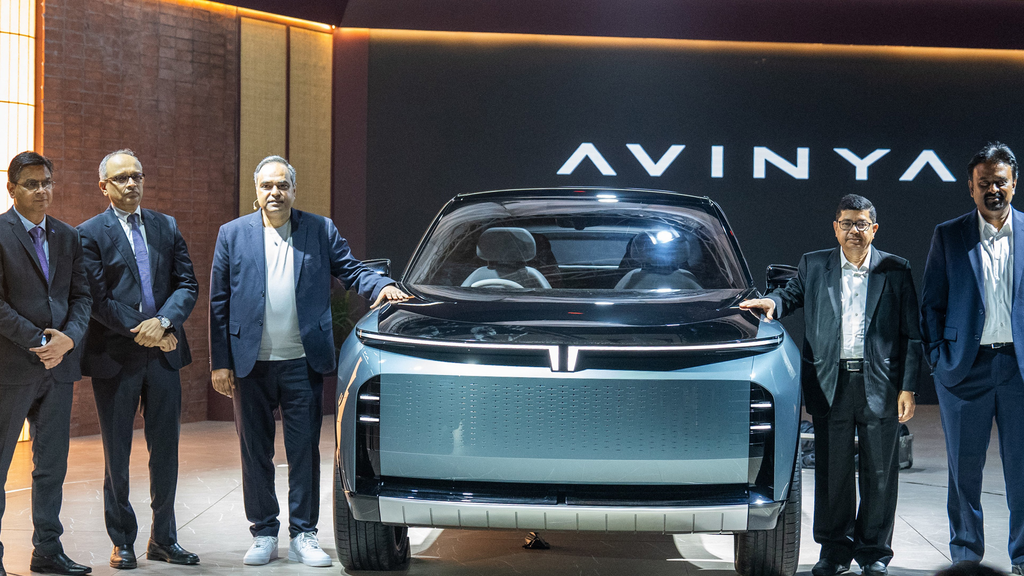
But subsidies don’t just help the end user. They also support industries by boosting demand. For example, when the government subsidizes electric cars, more people are encouraged to buy them. This, in turn, pushes automobile companies to invest in better technology, improve quality, and bring down production costs. So, in this way, well-planned subsidies can benefit both the people and the industries.
Conclusion
Freebies, discounts, and cashbacks have had some short-term benefits. They’ve helped digital adoption, disrupted stagnant industries, and provided relief to poor citizens in specific cases. But overall, their negative impact outweighs the positives.
When voters are bribed with benefits, consumer behavior becomes irrational, quality takes a hit, and meaningful businesses are crushed. Worse, public money is drained from essential services and diverted toward political gimmicks, which effectively become a form of bribery designed to win votes.
When this happens, development and Atmanirbharta die, and you create a person who takes these benefits for granted. It also opens a Pandora’s box because the moment you stop giving these freebies, the opposition party can win, and no one wants that. That is why this freebie culture continues to flourish in India.
We must become aware of the hidden cost behind every ‘free’ and ‘discounted’ offer, because most of the time, these deals come with strings attached.